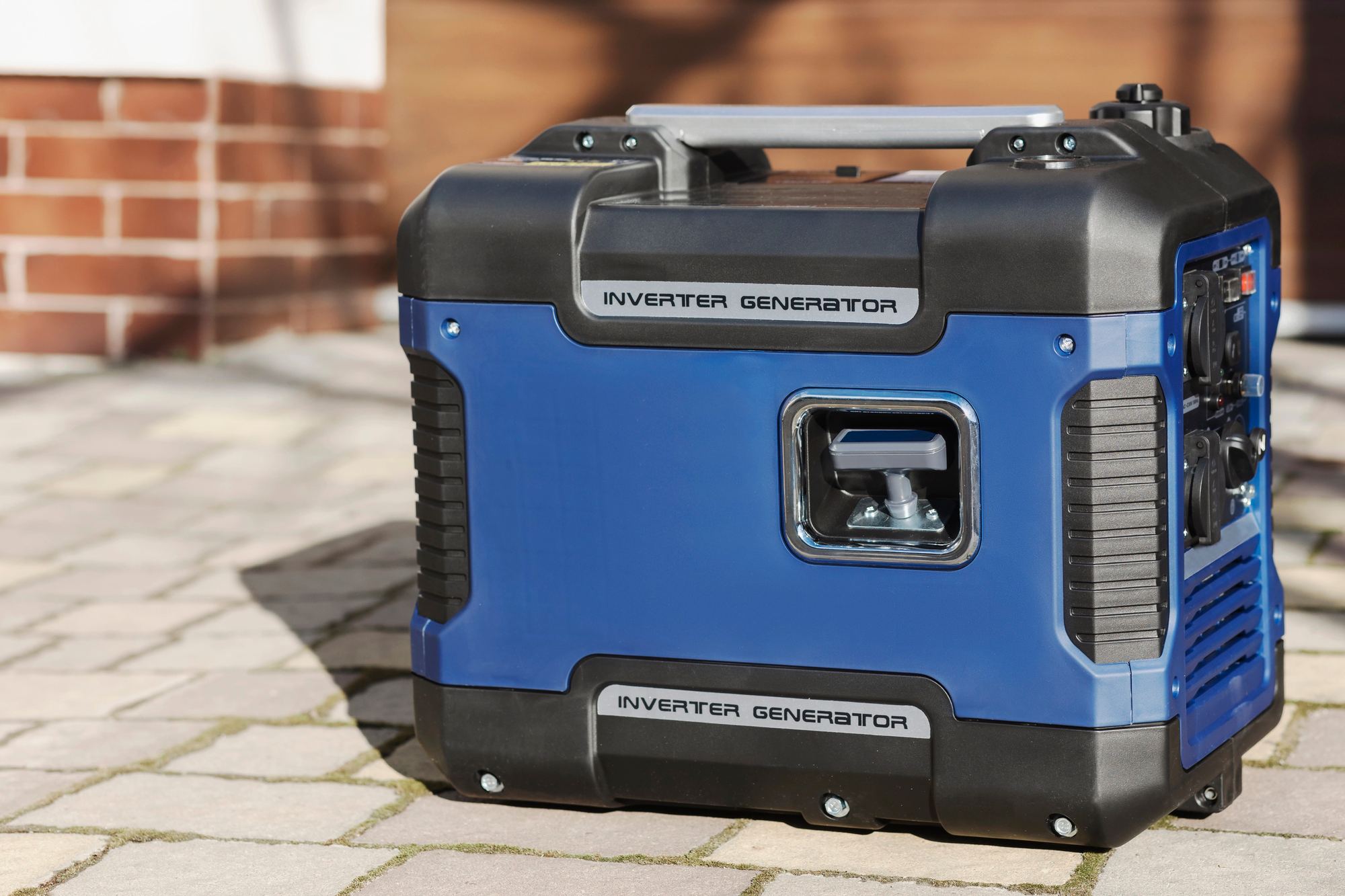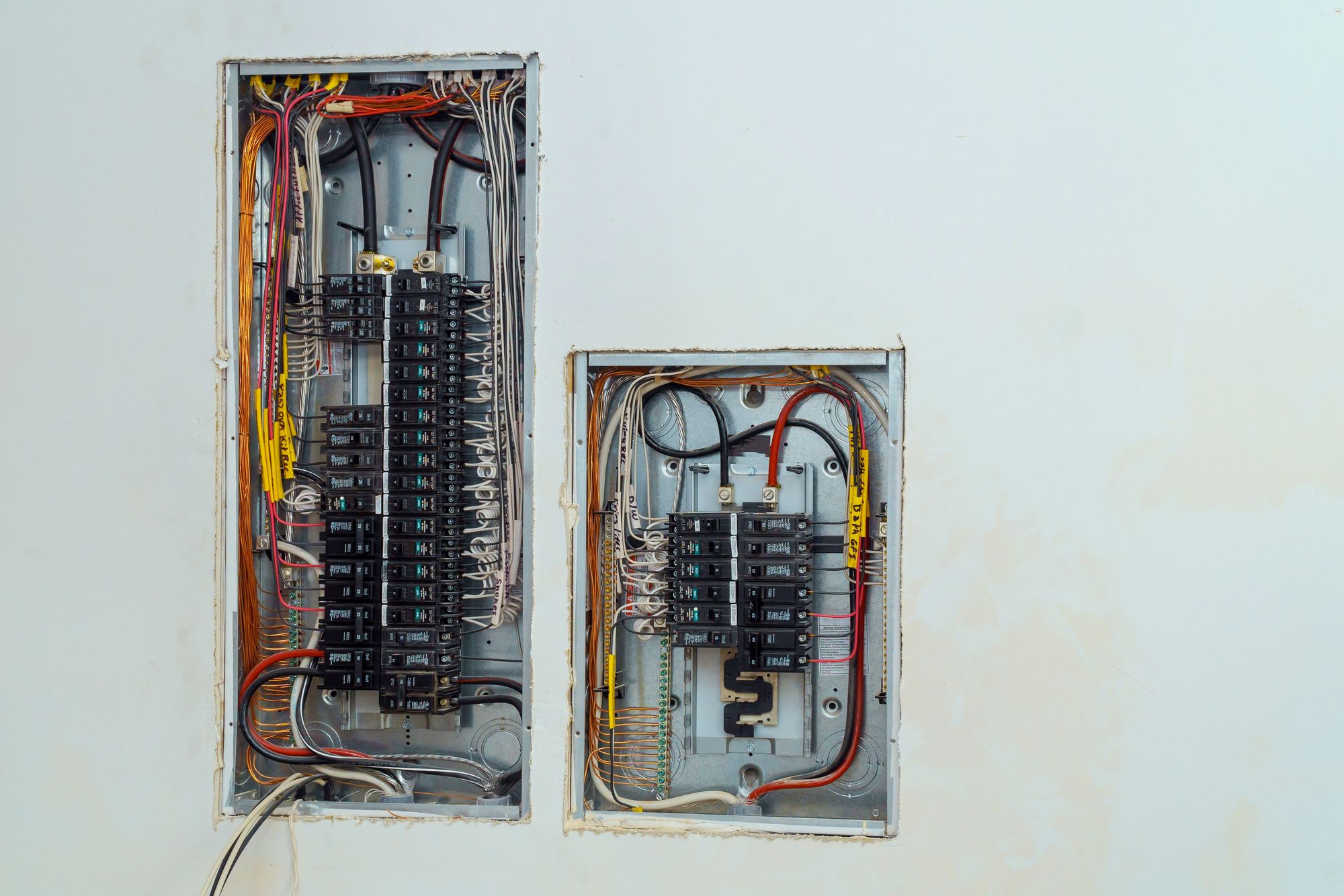
What a transfer switch does
Your house normally gets power from the utility through the main panel. When a generator is added, something has to decide which source feeds the house and make sure the two never connect. That's the transfer switch. Without one, a generator wired into a house can push power back through the meter and onto the street, where it can hurt a line worker who thinks the line is dead. When the grid comes back, it can also damage the generator and start a fire.
The three common setups
- Automatic transfer switch (ATS). Used with a standby generator. It senses the outage, signals the generator to start, moves the house over once the generator is ready, and moves it back when utility power returns and holds steady. No one has to be home.
- Manual transfer switch. Used with a portable generator. A small sub-panel holds the circuits you want to run. When the power goes out, you roll the generator outside, plug it into a power inlet on the house, start it and flip the switches.
- Panel interlock. Also for portables. A plate on your main panel physically blocks the main breaker and the generator breaker from being on together. It's often the least expensive option, but you manage the load by turning breakers on and off yourself.
When you need one
Any time a generator is connected to your home's wiring. That includes every standby generator and any portable generator that feeds the house through an inlet instead of extension cords. If you've been running cords through a cracked window or garage door during outages, a manual switch or interlock with an outdoor inlet is the upgrade that makes it safer and a lot less hassle.